
Bottom Line: BlushFiction is a browser-based AI romance story generator for readers 18 and over, with interactive scenes and companions that keep a memory of you. It’s free to start, then $9.99 a month for Private or $19.99 for Creator. Its standout is memory: characters remember your story and pick up right where you left off.
BlushFiction starts from a sentence. You describe a person, a memory or a what-if, and it writes a romance story around it, one chapter at a time, while you decide where it goes next.
The feature it’s built around comes after the story ends. You can turn a character into a companion who remembers what happened between you, down to how the last chapter left things.
It’s made by a small team, a married couple by their own account, who say they built it with women readers in mind. This review draws on BlushFiction’s documentation, pricing and policies, along with the team’s own notes on how memory works.
What BlushFiction Does as an AI Romance Story Generator
BlushFiction is an AI romance story generator that turns a short description into a multi-chapter story you steer between chapters.
You type a scenario in plain language, or use the guided scene builder if you’d rather pick than type. The builder runs four steps: the dynamic (enemies to lovers, forbidden desire and so on), the pacing, the intensity and the opening setup.
Above the prompt you also choose who you are in the story. An account can hold several personas, so you can be a different person in each story, scene and chat.
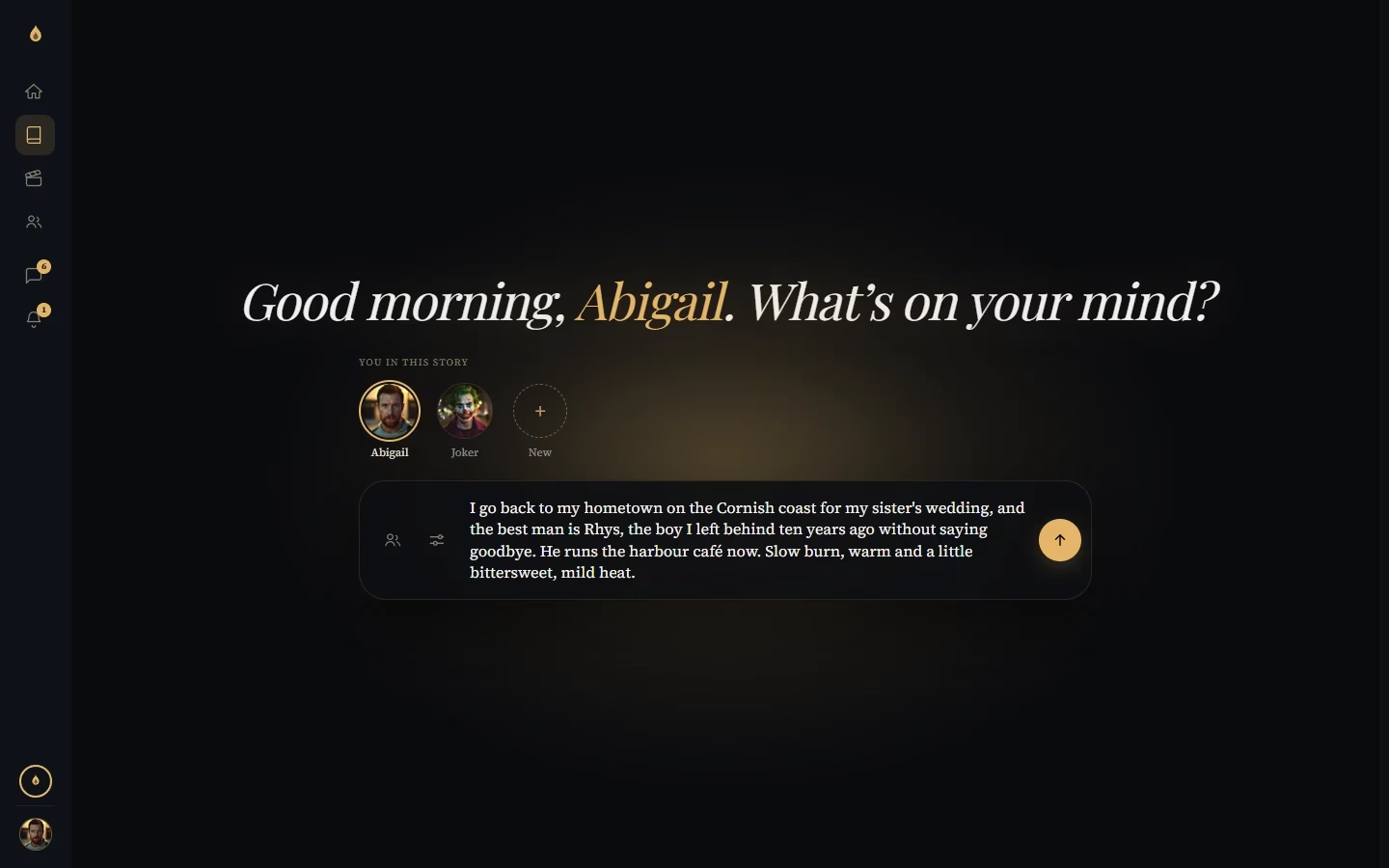
You also choose the point of view, the tense and the narrator’s voice. Each chapter runs 1,500 to 2,500 words and streams in over 10 to 30 seconds, and the FAQ puts most stories at 5 to 15 chapters.
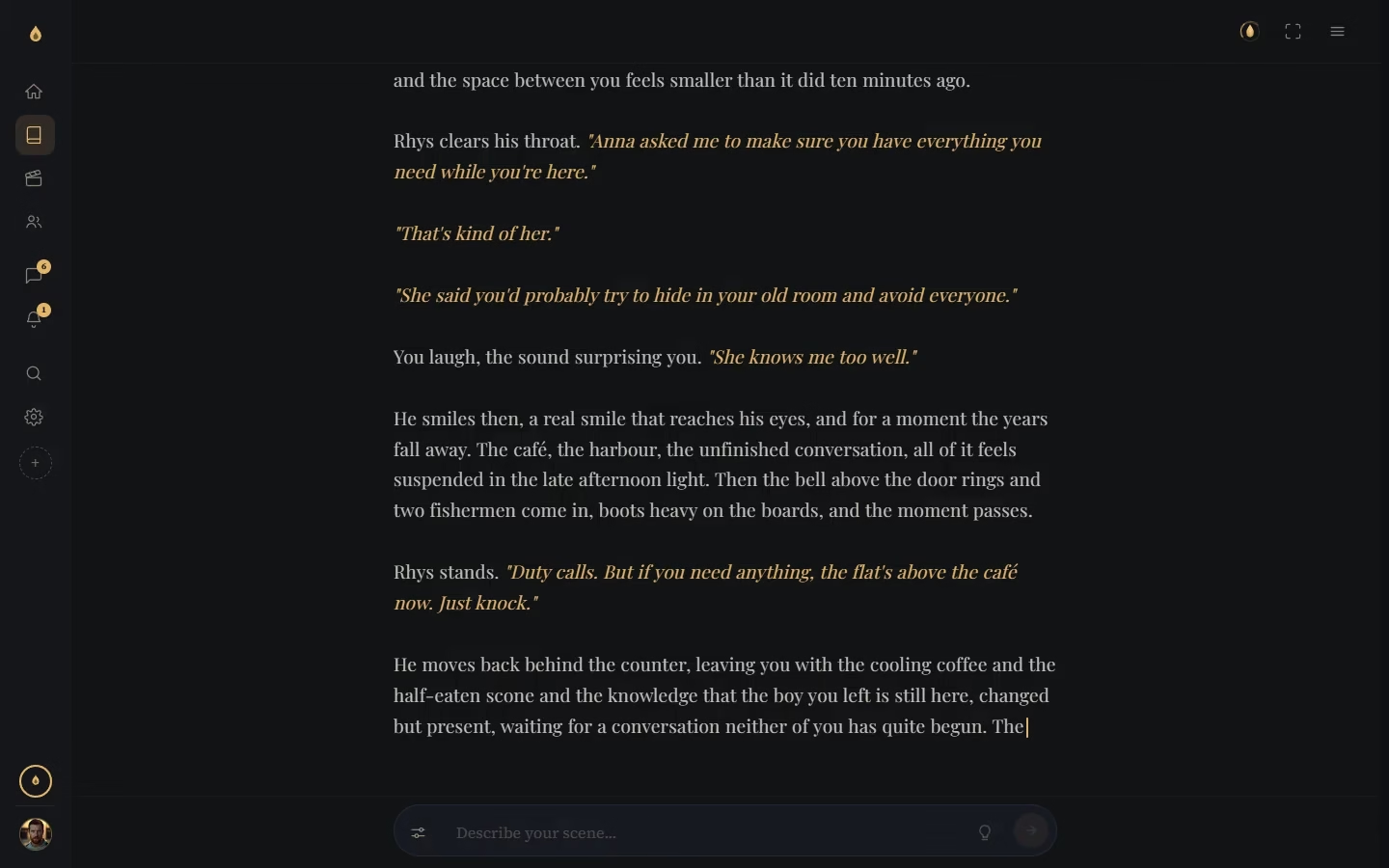
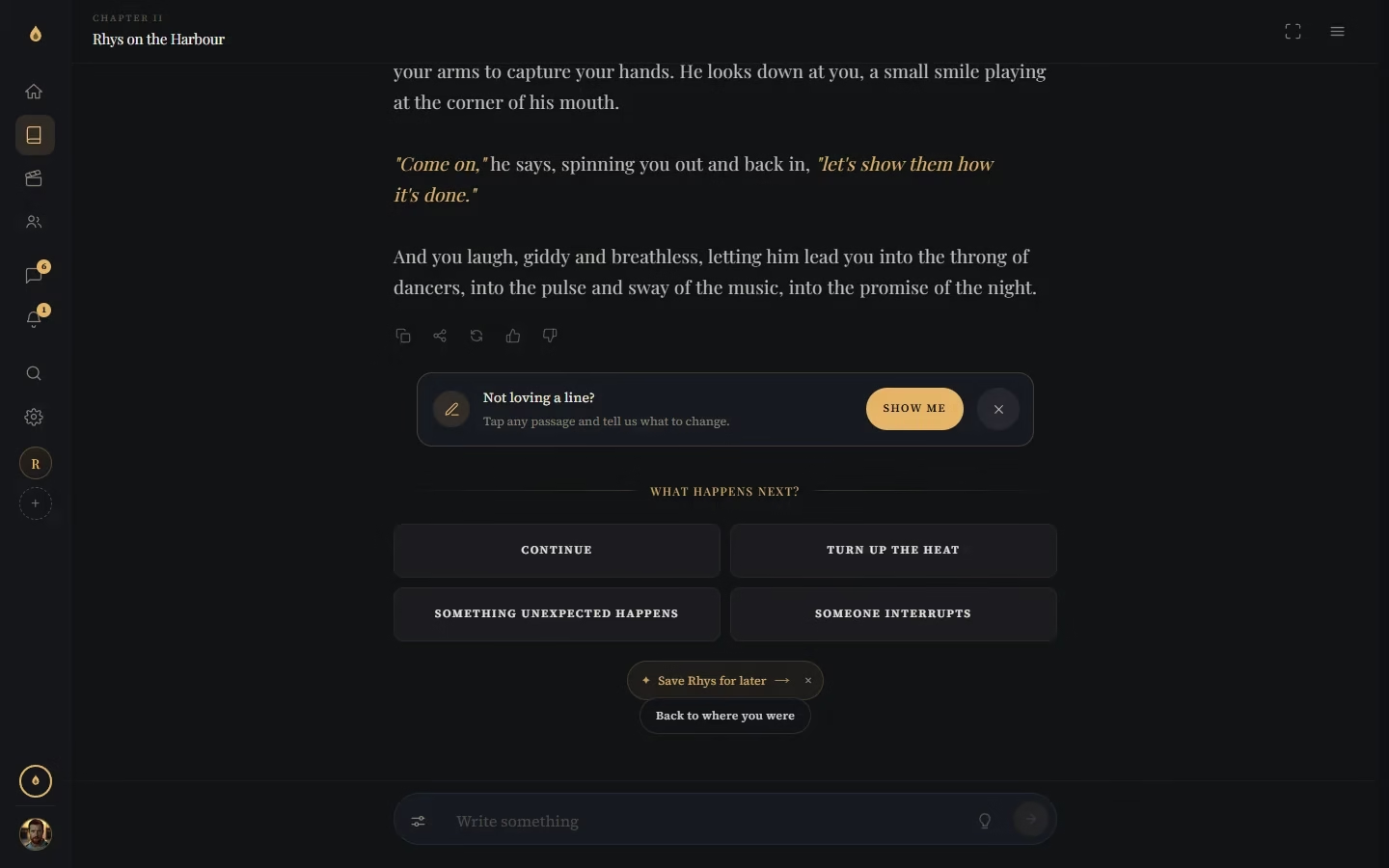
The steering happens between chapters. You can ask for a slower build or a first kiss held back, replay a scene to try another ending, or branch the story and follow both versions.
A vague prompt leaves the system guessing, so the more of those settings you name up front, the closer the first chapter lands. Here is the difference in what you would type:
Vague: “Write me a romance.”
Specific: “Enemies to lovers between a ranch hand and a city lawyer stuck at the same wedding. Slow burn, Mild intensity, first person, present tense.”
Intensity comes in four levels: Mild, Moderate, Intense and Extreme. Mild keeps to romantic tension and suggestion, and each level above it gets more graphic, so it’s worth setting deliberately if slow burn is what you’re after.
Scenes, Originals and Ready-Made Characters
Scenes and Originals are BlushFiction’s ready-made starting points, so you can play or read something before writing a prompt of your own.
Scenes drop you into a set moment you play as yourself, such as a week on a ranch with a horse trainer named Wade or a locked studio after midnight with Lila.
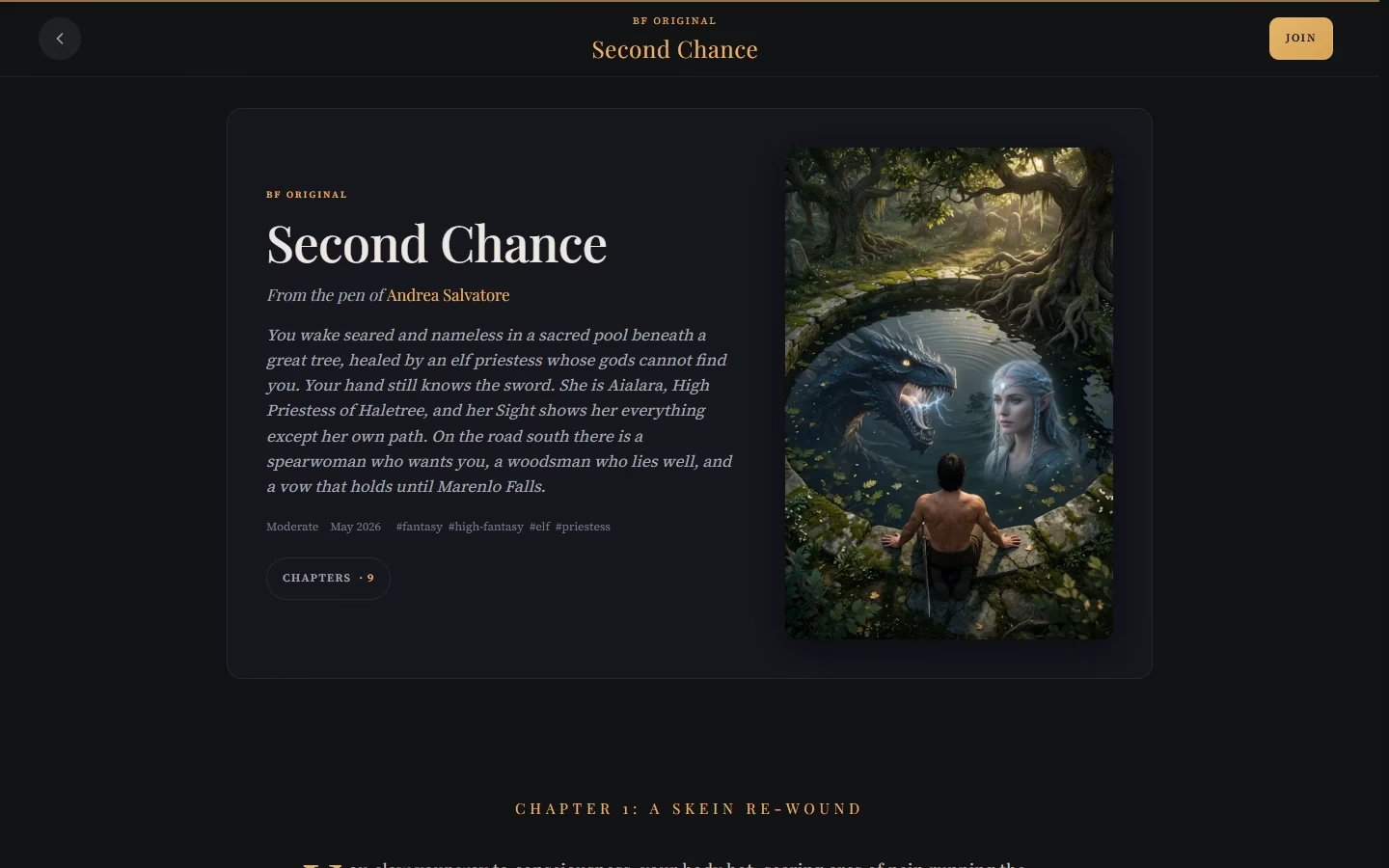
Originals are finished stories that free accounts can read in full. The homepage currently links nine scenes and six ready-to-read stories, which gives a new reader something to try before spending anything.
Characters also carry across all three formats. Lila Kensington, a yoga instructor, appears in two Originals, has her own scene and can carry on as a companion who remembers you.
How Character Memory Works in BlushFiction
BlushFiction’s character memory saves what mattered after each conversation and brings the most relevant parts back when you return.
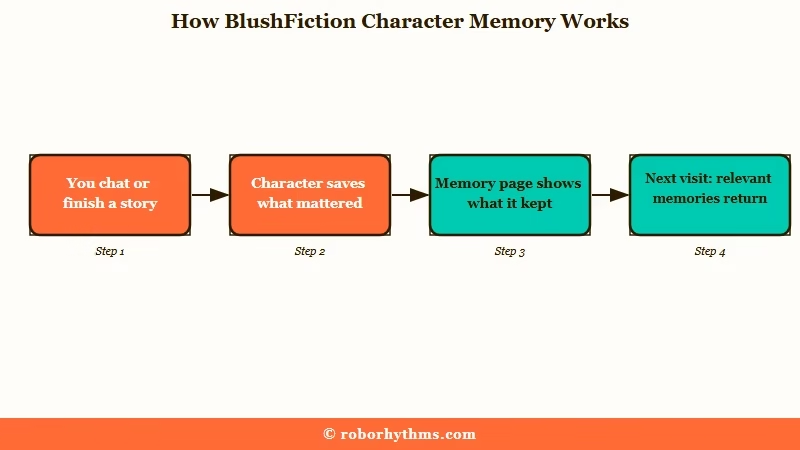
Memory is the feature BlushFiction leans on hardest, and the team describes it this way. After each conversation, a character saves what mattered: details about you, what happened between you and how you left things.
When you come back, the most relevant of those memories return to the conversation, so the character can pick up where you stopped. A character created from one of your stories starts with that story’s key moments already remembered.
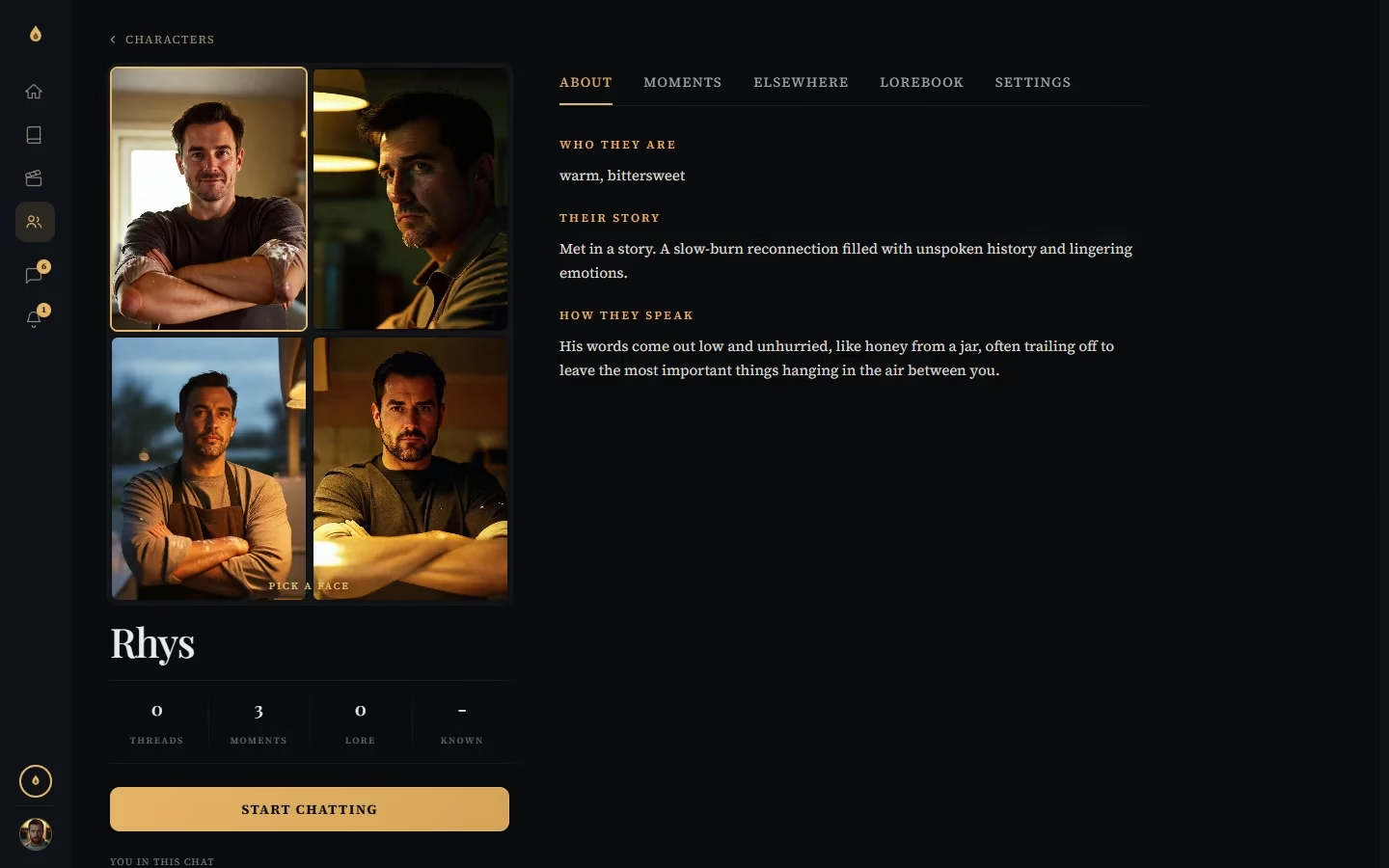
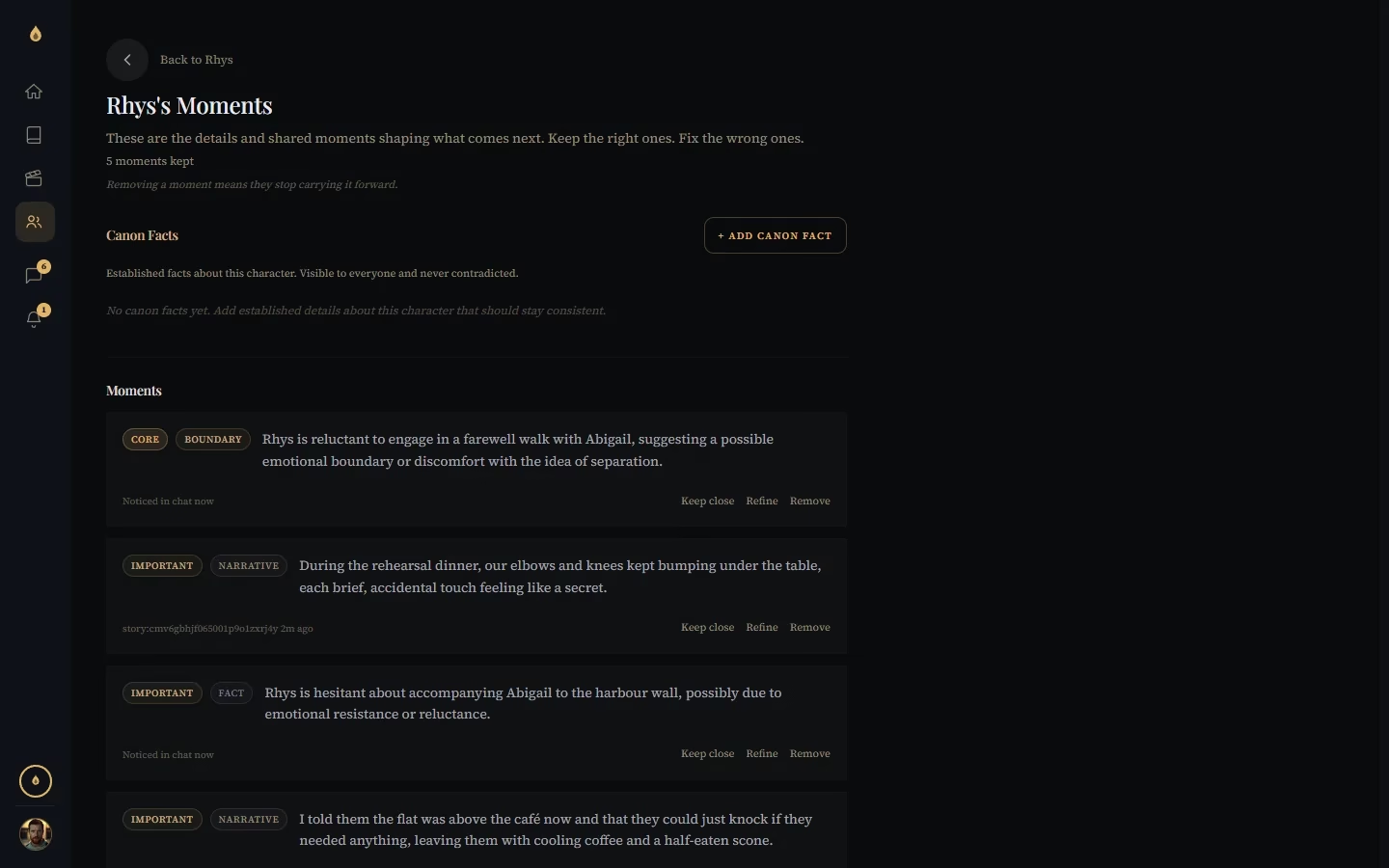
Each character also has a memory page showing what it has kept. Most companion apps keep memory out of sight, and our guide to AI companions with long-term memory covers why that gap frustrates so many users.
Example scenario: Say you finish a story where you and Wade argue about whether you’re leaving at the end of the week. You turn him into a companion and close the tab.
In BlushFiction’s description, the argument and the way it ended are among the things he saves. Open a chat two days later and he can bring it up instead of greeting you like a stranger.
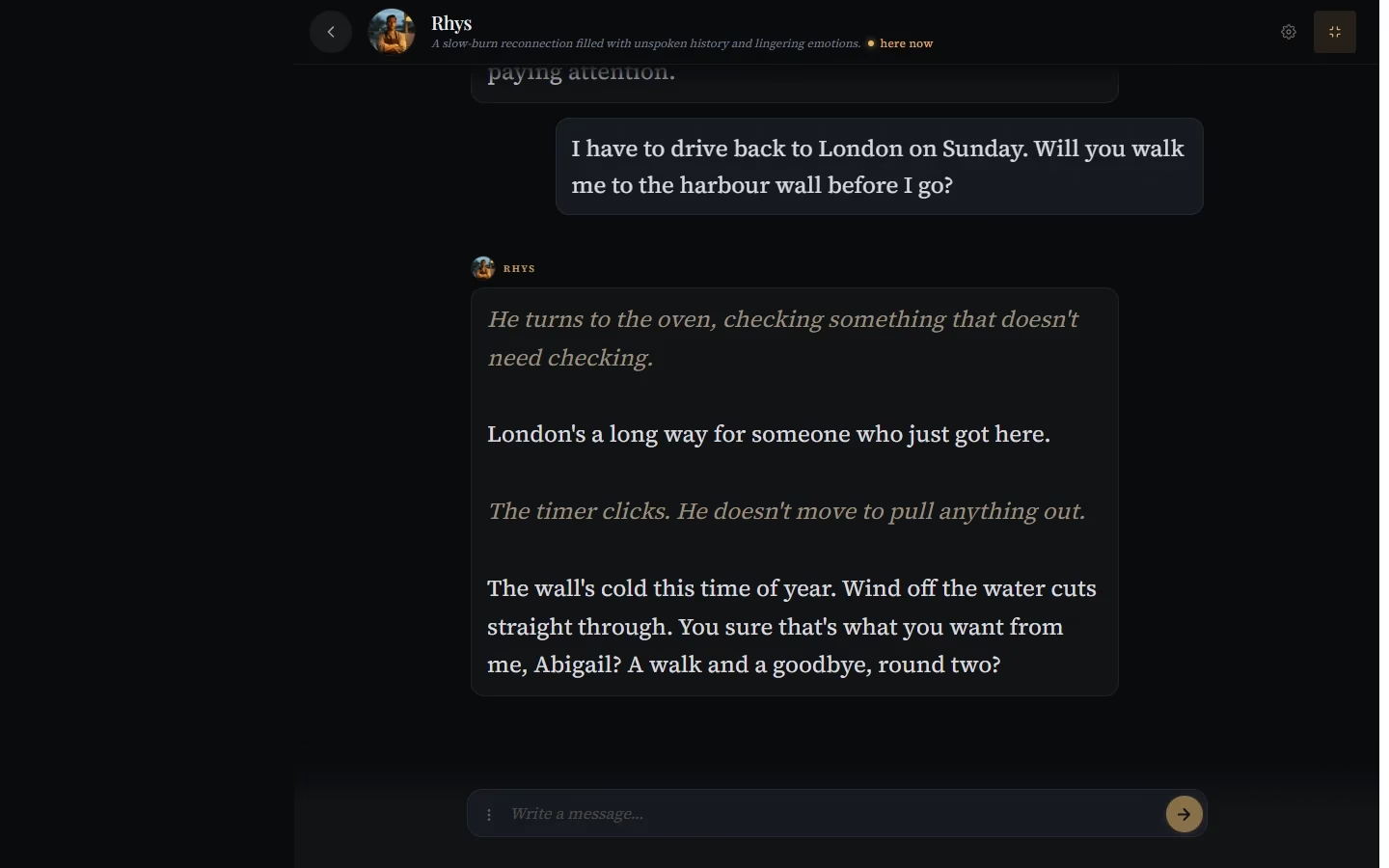
Paid plans add more around this. Characters can message you first when something reminds them of you, and a feature called Elsewhere gives them a life between visits. Bubbles let you gather several characters and see how they relate to each other.
BlushFiction Pricing and Blushes
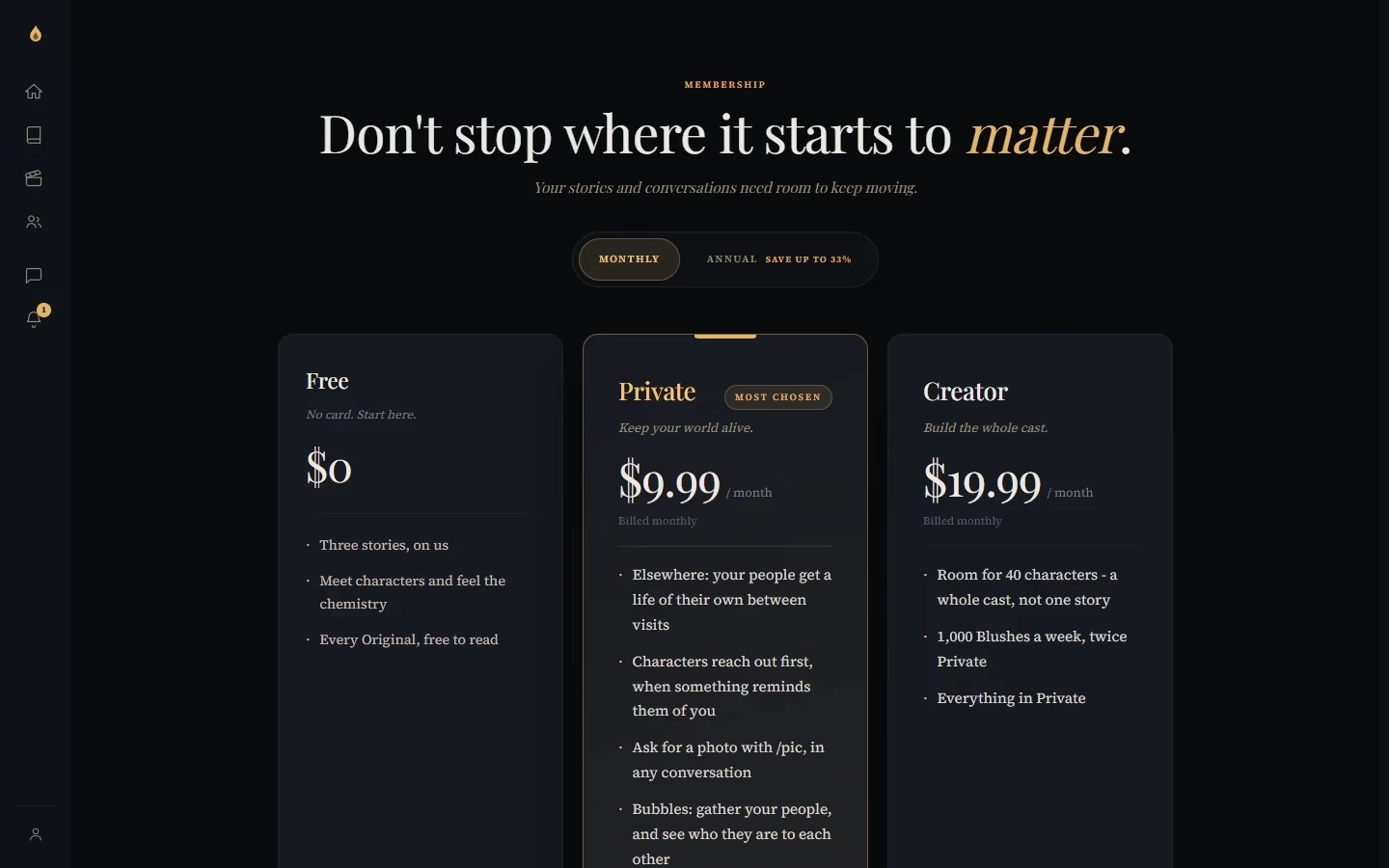
BlushFiction is free to start, with Private at $9.99 a month and Creator at $19.99 a month, and every chat message or chapter spends Blushes.
Blushes are the in-app currency. A chat message costs 1, a story chapter costs 2, and starting a new story after your first three costs 10.
| Plan | Price | What it includes |
|---|---|---|
| Free | $0 | First three stories, every Original to read, 10 Blushes a day with an account (3 a day without one) |
| Private | $9.99 a month | 500 Blushes a week, room for 20 characters, photos in chat via the /pic command, story downloads as PDF, Word or EPUB |
| Creator | $19.99 a month | 1,000 Blushes a week, room for 40 characters, everything in Private |
| Private pass | $12.99 once | 30 days of Private, no auto-renewal |
| Creator pass | $24.99 once | 30 days of Creator, no auto-renewal |
| Top-ups | $3.99 for 50 or $7.99 for 250 | One-off Blushes that don’t expire |
Paying annually saves up to 33 percent, according to the pricing page.
Example: At 2 Blushes a chapter, a free account’s 10 daily Blushes buy five chapters, so a 10-chapter story takes two days of allowance. Private’s 500 a week covers roughly 250 chapters, which is more than most readers will get through.
What I’d recommend is reading an Original or two on the free tier, then buying a single 30-day pass before committing to a monthly plan, since passes never renew.
Privacy, Discreet Billing and Content Rules
BlushFiction keeps stories private by default, lets you delete them at any time and bills under a discreet name.
Stories are private by default, and nothing is published unless you switch on sharing, which creates a link anyone holding it can read. You can delete stories at any time.
The FAQ is upfront that BlushFiction uses content to run, secure and improve the service, which is standard for AI story tools. Other people never see your stories unless you choose to share them.
Charges show up on your statement under a neutral name that says nothing about what you read. Refunds cover duplicate charges, charges you didn’t make, periods the service couldn’t deliver, and legal rights such as the EU and UK 14-day withdrawal on an unused first payment.
The content policy bans intimate content involving real, identifiable people. Paid plans include a portrait studio that turns your own photo into a profile picture. The team told us the photo isn’t kept, and the portrait never appears in chat photos or story art, a thoughtful privacy touch.
What BlushFiction Gets Right
BlushFiction’s biggest strengths are visible memory, real control over the story and a free tier generous enough to judge it properly.
These are the parts that set it apart from a typical chat app:
- Memory you can see. Each character has a memory page showing what it kept, so you never have to guess why it remembers something.
- Stories you actually steer. You can slow a scene down, replay a chapter for a different ending or branch the story and follow both paths.
- A useful free tier. Free accounts get three stories plus every Original to read in full, which is enough to know whether it’s for you.
- No-commitment passes. The 30-day passes never renew, so you can try a paid plan without remembering to cancel.
- Exports and discretion. Paid plans download stories as PDF, Word or EPUB, and billing stays neutral on your statement.
The team is also testing Blush for Couples, a shared mode where two partners read and talk with the same characters. It’s still early, but it shows the product is growing in a direction few rivals have tried.
Who BlushFiction Is Best For
BlushFiction is best for readers who want long, steerable romance with characters that actually remember them.
It fits people who gave up on chat apps because characters kept forgetting them, and anyone who values a discreet line on their statement. It runs in the browser with no app store download, and on a phone you can add it to your home screen like an app.
If you prefer building detailed worlds and lore from scratch, our DreamGen review covers a tool made for that. For readers who want the story and the relationship to carry on, BlushFiction is the stronger pick.
For more options across the category, our roundup of the best AI story makers compares tools built for longer fiction. If you want spicier fiction from other tools, our list of AI story writers covers more options.
If characters that remember you sound like what you’ve been missing, start free on BlushFiction with the three included stories and the Originals before choosing a plan.
