
Growing a Facebook page rarely fails because of effort. It fails because the content does not earn attention, saves, or replies.
The patterns that work share one trait. They push people to stop scrolling and do something.
The prompt set here focuses on practical outputs that map directly to how Facebook distributes reach. Hooks spark the pause. Carousels earn saves.
Short lessons invite comments. Stories create replies. Each piece plays a clear role in the feed.
This approach treats ChatGPT as a hands-on assistant, not a novelty. Prompts are framed to produce native Facebook copy that feels human and timely.
The goal stays simple. Make posts that trigger engagement signals the platform already rewards.
What stands out is the balance between creation and interaction. Content calendars, A/B caption variants, reply packs, and polls all serve one outcome.
Keep conversations moving after the post goes live.
The takeaway stays consistent across this kind of testing. Pages grow when prompts force clarity, structure, and intent instead of generic output.
Benchmarks back this up. Sprout Social’s annual Social Index finds that Facebook posts with a clear ask, a question, a poll, or a single-sentence prompt, drive several times the engagement of generic announcement posts, and that video plus a contextual caption outperforms either format alone. The prompts below are built to produce that mix.

ChatGPT prompts that help grow a Facebook page
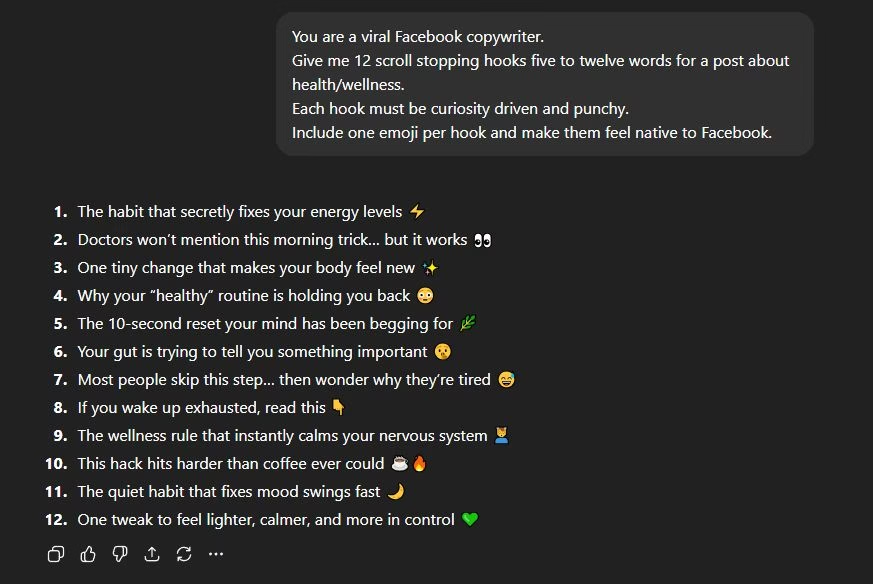
1. Viral hook generator for scroll-stopping posts
Facebook posts fail or succeed within the first line. If the hook does not earn a pause, nothing else matters.
This prompt exists to remove guesswork from that moment.
The value comes from constraints. Short word counts force clarity. Curiosity-driven framing pushes tension.
Producing multiple options at once makes testing possible instead of relying on instinct.
This prompt works best when posts get buried quickly or reach stalls early. It targets attention before anything else.
Prompt
You are a viral Facebook copywriter.
Give me 12 scroll stopping hooks five to twelve words for a post about [insert topic].
Each hook must be curiosity driven and punchy.
Include one emoji per hook and make them feel native to Facebook.
2. Save worthy carousel builder for long-term reach
Carousels serve a different purpose than hooks. Their job is retention and future value.
This prompt is designed to turn ideas into structured posts people want to save.
Each slide has a defined role. Headlines guide attention. Bite-sized points prevent overload. Visual suggestions keep the design aligned with the message.
The save-focused ending matters. Asking for saves shifts reader behavior toward long-term engagement rather than quick reactions.
This prompt fits educational topics or advice that benefits from repeat viewing.
Prompt
Act as a Facebook content strategist.
Create a seven slide carousel for [insert topic].
For each slide give a headline, one to two bite sized points of value, and a suggested visual idea.
End with a save worthy call to action.

3. Short educational post designed for reach and comments
Educational posts perform well when they feel simple and actionable.
This prompt exists to prevent overexplaining and force a clean teaching flow that fits Facebook’s feed behavior.
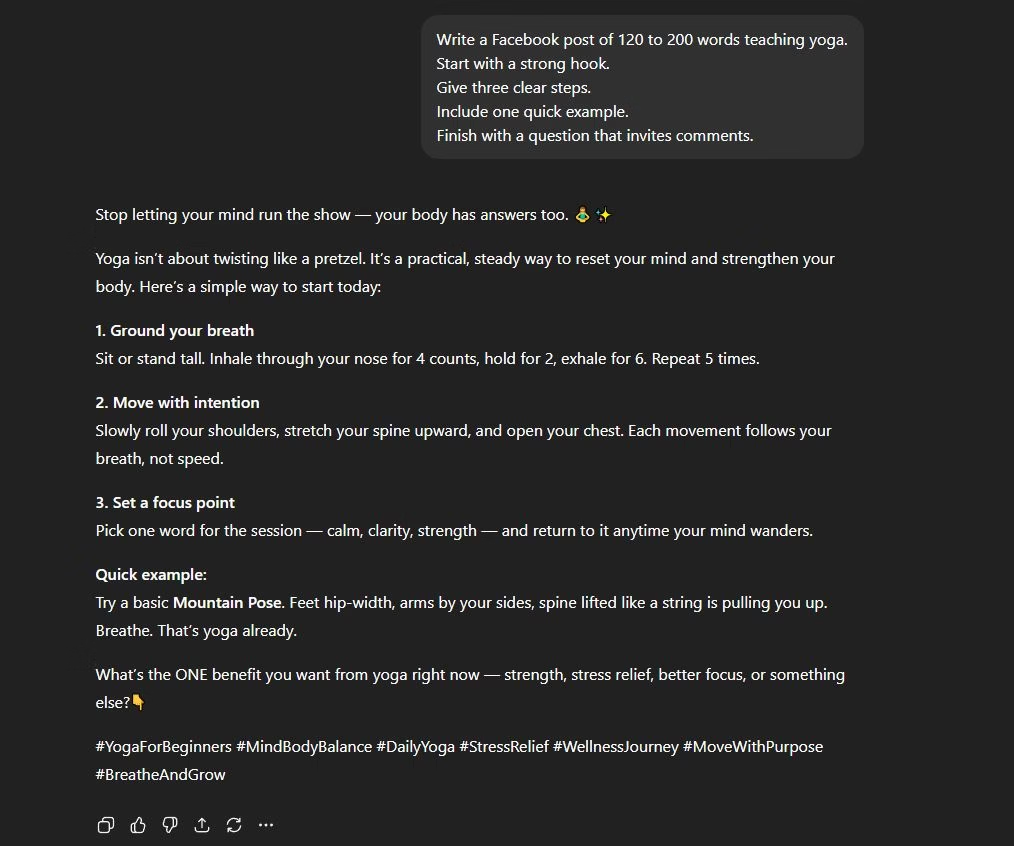
The structure matters more than the topic. A strong opening earns attention. Three clear steps keep the lesson readable. One quick example grounds the idea.
Ending with a question invites comments instead of passive reactions.
This format works when the goal is reach paired with conversation. Comments extend distribution and signal relevance beyond the first audience.
Prompt
Write a Facebook post of 120 to 200 words teaching [insert practical skill].
Start with a strong hook.
Give three clear steps.
Include one quick example.
Finish with a question that invites comments.
4. Story post that builds connection and replies
Stories create engagement through relatability rather than instruction.
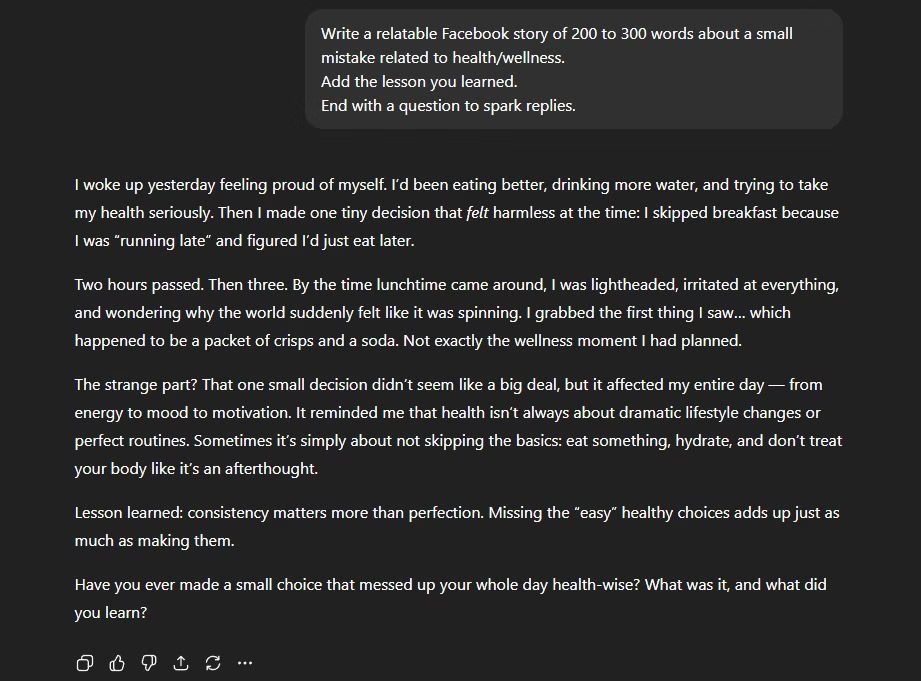
This prompt focuses on a small mistake rather than a polished success, which lowers resistance and invites empathy.
The length range allows enough detail to feel real without dragging. The lesson ties the story back to value. Ending with a question keeps the thread active and personal.
This prompt fits moments when the page feels distant or overly polished. It brings tone back to human and conversational.
Prompt
Write a relatable Facebook story of 200 to 300 words about a small mistake related to [insert topic].
Add the lesson you learned.
End with a question to spark replies.
5. Advanced hook enhancer for sharper openings
Strong hooks can often be improved rather than replaced. This prompt exists to refine what already works instead of starting from scratch.
It focuses on angle variation rather than topic changes.
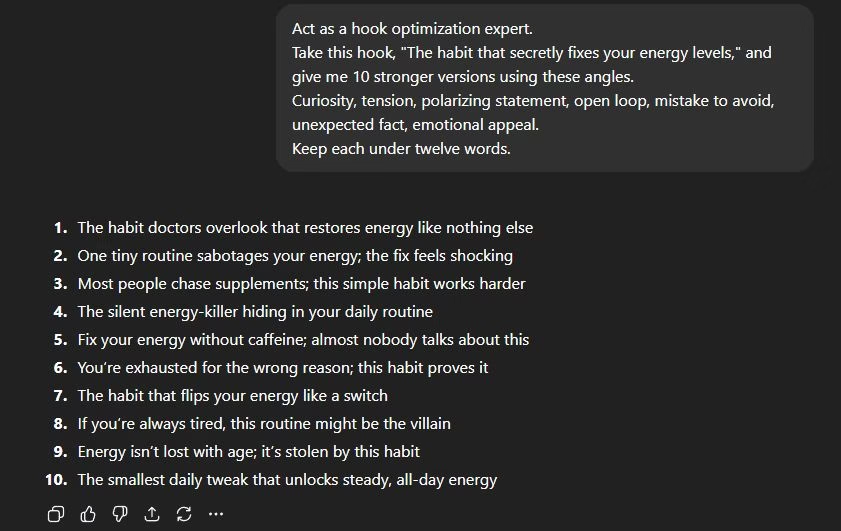
Each rewrite targets a different emotional or psychological trigger. Curiosity, tension, mistakes to avoid, and open loops all change how the same idea lands. Keeping every version under twelve words preserves speed and clarity.
This prompt works best when a hook feels close but not strong enough. It helps extract more reach from ideas that already show promise.
Prompt
Act as a hook optimization expert.
Take this hook [paste hook] and give me 10 stronger versions using these angles.
Curiosity, tension, polarizing statement, open loop, mistake to avoid, unexpected fact, emotional appeal.
Keep each under twelve words.
6. Caption variations for A/B testing engagement
Small wording changes can produce very different outcomes. This prompt is designed to surface those differences quickly without rewriting entire posts.
Each variation serves a different reader mindset. Some people react to emotion. Others respond to clarity or community tone. Limiting captions to short character counts keeps them feed-friendly.
This prompt fits pages that want consistent posting without repeating the same voice. It encourages testing tone instead of topics.
Prompt
Take this caption idea [paste caption].
Rewrite it into five variations.
Curiosity driven, emotional, short and punchy, value focused, community building.
Keep each under 140 characters.
7. Comment reply pack that keeps threads active
Posts do not stop working after publishing. Replies shape how long a conversation stays visible. This prompt exists to remove friction from engagement after the post goes live.
Prewriting replies makes it easier to respond fast without sounding robotic. Mixing witty, helpful, clarifying, and uplifting tones keeps the thread feeling human and varied.
Short replies matter here. Keeping responses under thirty words prevents overexplaining and encourages back and forth instead of monologues.
This prompt fits pages that get comments but struggle to keep conversations going.
Prompt
Generate 12 short human replies to the comment [paste comment].
Include two witty replies, four helpful replies, four clarifying questions, and two uplifting replies.
Keep them under 30 words each.
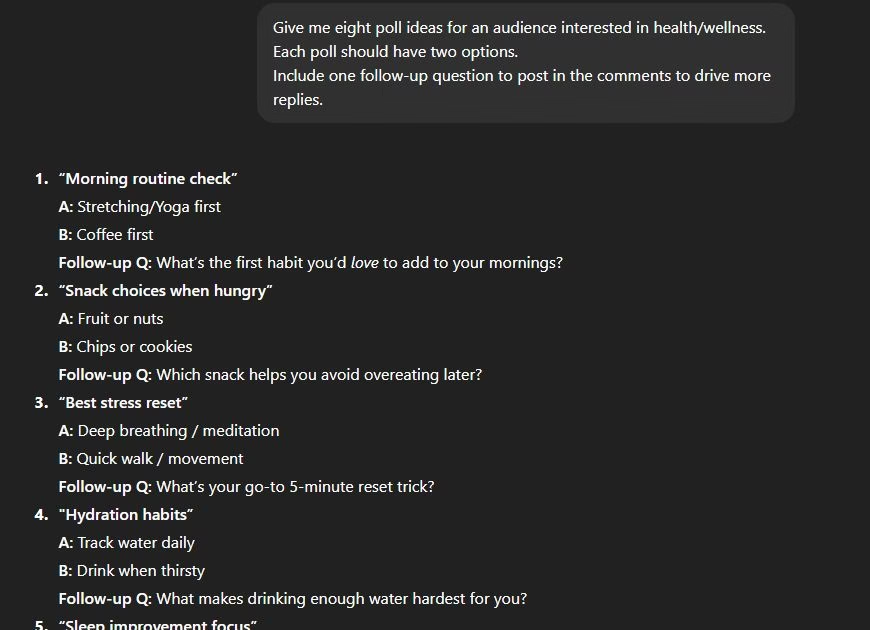
8. Facebook poll ideas that spark conversation
Polls lower the barrier to engagement. People can participate without writing anything.
This prompt focuses on turning that low-effort action into a conversation starter.
Two-option polls force clear choices. The follow-up question posted in the comments creates a second layer of engagement beyond the vote itself.
This format works well when reach feels flat. Poll interactions generate quick signals that help posts circulate early.
Prompt
Give me eight poll ideas for an audience interested in [insert niche].
Each poll should have two options.
Include one follow-up question to post in the comments to drive more replies.
9. One-month content calendar for posting consistency
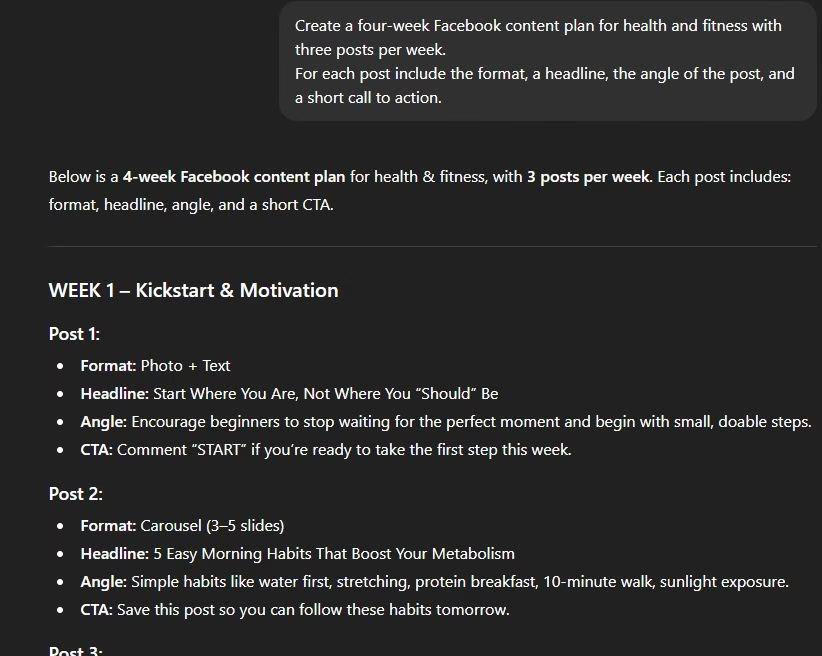
Consistency breaks down when planning feels vague. This prompt exists to turn an idea into a clear four-week posting rhythm without overthinking what goes out next.
Defining format, headline, angle, and call to action for each post removes daily friction. Three posts per week stays realistic while still giving the page enough activity to stay visible.
This structure helps balance content types. Carousels, text posts, and videos each serve a different role in engagement and reach.
This prompt fits pages that post sporadically or repeat the same format too often.
Prompt
Create a four-week Facebook content plan for [insert topic] with three posts per week.
For each post include the format, a headline, the angle of the post, and a short call to action.
10. Repurposing plan that multiplies one video into eight posts
Long-form content holds more value than a single upload. This prompt exists to stretch one idea across multiple formats without rewriting everything from scratch.
Breaking one video into clips, carousels, text posts, and questions creates variety while staying on message. It also supports different consumption styles across the feed.
This approach keeps pages active without constantly producing new core content. It rewards planning over volume.
This prompt works best when a page already creates longer videos but struggles to extract ongoing value from them.
Prompt
I have a ten-minute video about [insert topic].
Turn it into eight Facebook pieces.
Four short clip ideas, two carousel ideas, one text post idea, and one engagement-focused question.
How to use these prompts without overcomplicating your content
These prompts work best when treated as building blocks, not a checklist to complete all at once.
Each one targets a specific engagement signal, so the choice depends on what the page needs right now.
When reach drops, hooks and polls help restart momentum. When engagement feels shallow, stories and comment replies deepen interaction.
When posting feels inconsistent, calendars and repurposing remove friction.
When prompts and planning still feel manual, pairing this approach with an automation layer like Blaze Autopilot helps turn good posts into a consistent publishing workflow.
The real advantage comes from intent. Each prompt forces a decision about format, length, and outcome before posting.
That clarity prevents random content and replaces it with deliberate actions that align with how Facebook distributes posts.
Used together, these prompts form a practical system rather than isolated tricks. They make growth repeatable by turning strategy into instructions instead of guesses.
